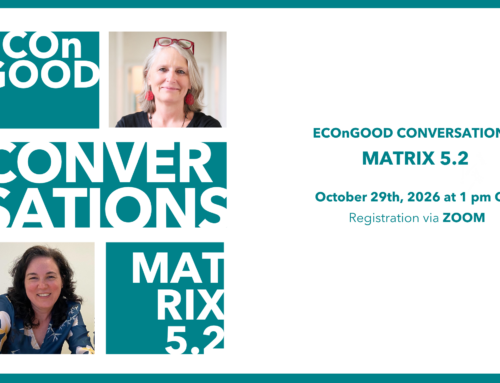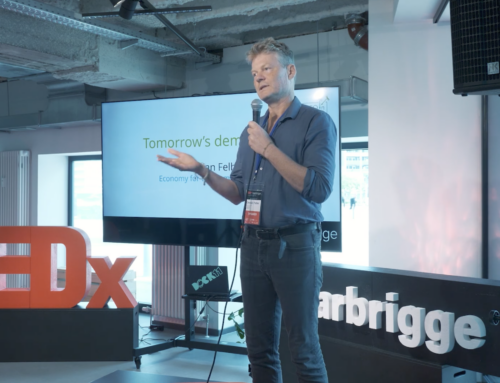

From the end of September until the end of November, Christian Felber will focus on the cornerstones of money and finance, tax justice, central banks and money creation during an online education opportunity with Schumacher College. There will also be proposals from contemporary pioneers of thought, that will be invited join some of the 10 weekly online session. In this course, economist, author and founder of the Economy for the Common Good movement, Christian Felber, invites participants to explore how our monetary and financial systems could better serve people, communities and the living world. During the classes there will be an opportunity to discuss the assumptions underpinning today’s economy, explore inspiring alternatives, and consider what it would take to build financial systems rooted in justice, ecological regeneration and the common good.
Whether you work in finance, policy, education, business or are simply curious about creating more life-affirming economic systems, this course offers an accessible and thought-provoking introduction. Over ten weekly modules, participants will engage deeply with the structural roots of today’s financial crises while exploring concrete, actionable alternatives already emerging around the world. The course combines systemic analysis, ethical reflection, and visionary policy thinking—without requiring prior expertise in economics or finance.
The main guiding questions are:
· Why the ideology of “efficient markets” has made the financial system politically untouchable—and how this can change
· How central banks could be democratised, drawing on ideas such as Monetary Democracy, Positive Money, and Modern Monetary Theory
· The role of ethical banks, regional finance, and common good–oriented stock markets
· How to close the global financial casino and redirect capital towards real-life, life-serving projects
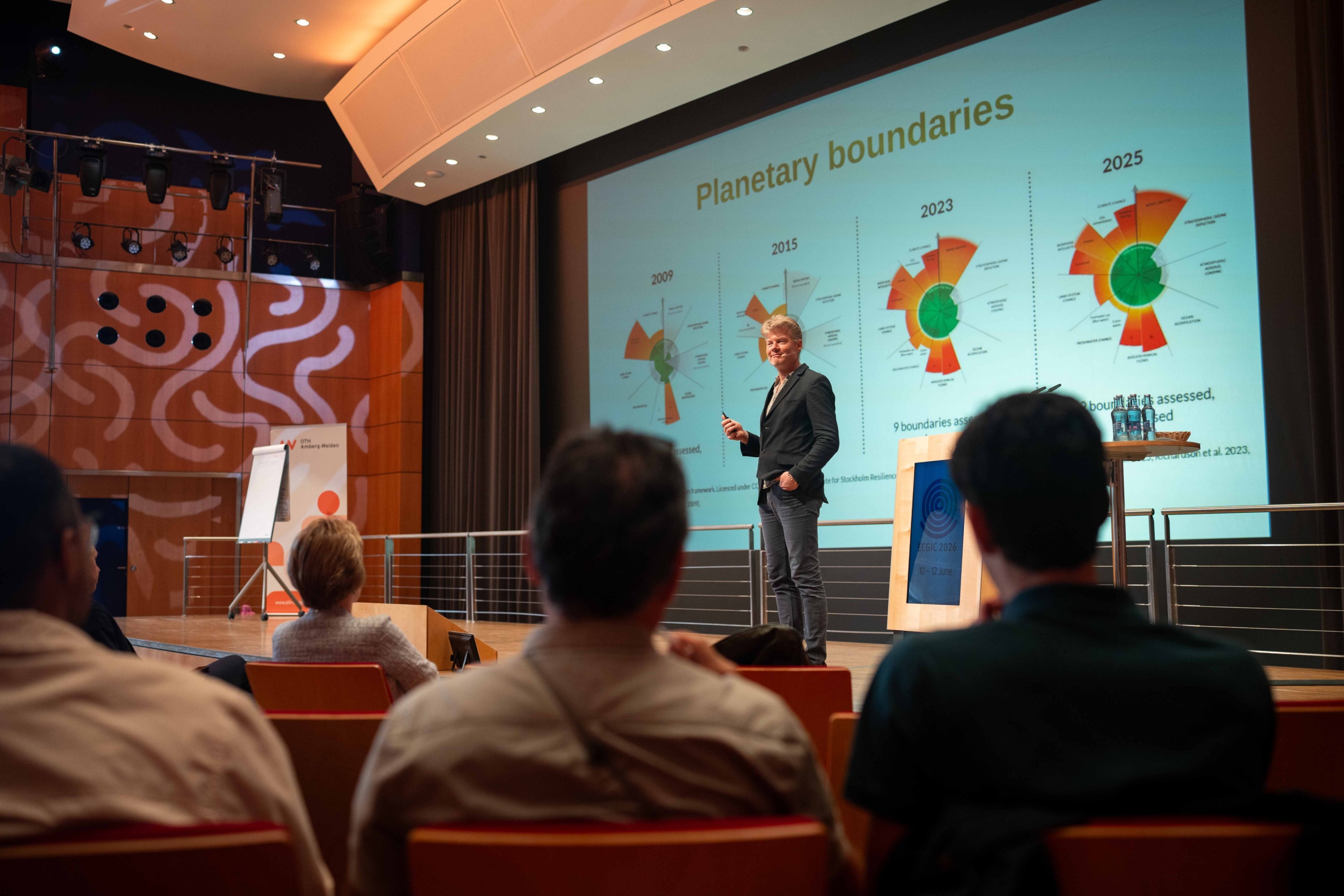
· Why limits to inequality are as essential as planetary boundaries
· How international tax cooperation can end secrecy and close tax havens
· What global monetary cooperation could look like, revisiting Keynes’ Bancor and ICU proposals
· How ethical world trade could underpin a post-colonial, post-capitalist economic order
From the broader foundations of a Common Good economy, through monetary reform and global cooperation, to the international dimensions of ethical trade, participants will leave with both clarity and courage, able to articulate why change is necessary and how it might be realized.
Registration at
www.schumachercollege.org/reorienting-the-m onetary-and-financial-system-towards-the-common-good