
A new report published on September 2026, “Pathways towards a sustainable and resilient economy” was published by WWF and produced in collaboration with the Stockholm Resilience Centre to explore four possibly complementary pathways towards an economy that meets people’s needs within planetary boundaries:
- Circular bioeconomy focuses on reducing resource use through circular material flows, reuse and renewable raw materials.
- Laghum economy proposes a tax shift in which the use of natural resources is taxed more heavily while labour is taxed less.
- Nature-positive economy focuses on reducing negative impacts on nature while scaling up efforts to restore and strengthen ecosystems.
- Not-for-profit economy focuses on business structures in which surplus is reinvested in the organisation and social benefit is prioritised over maximising private profit.
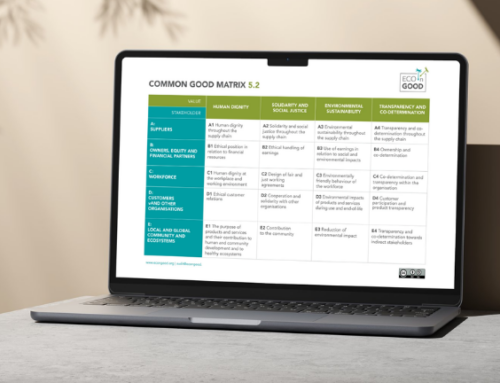
The report highlights the Economy for the Common Good model as a tool for assessing how companies contribute to social values. Working with the Common Good Matrix provides the basis for a Common Good Balance Sheet, which documents an organisation’s contribution to the common good and help examine their activities through the lens of values and stakeholder relationships.
Read the full report and find the reference to the Matrix on page 51.
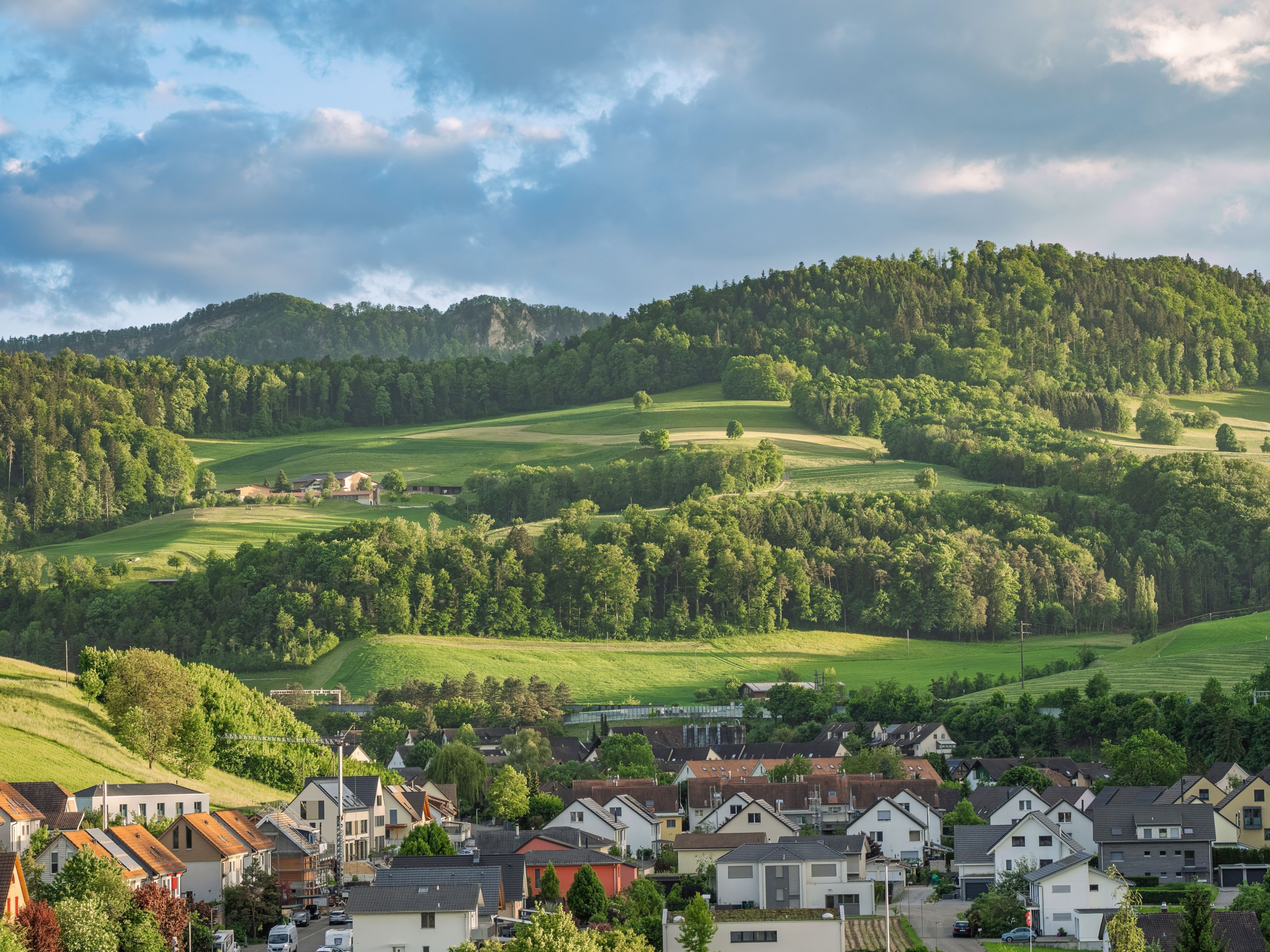
Image credits: @pth686817 | pexels