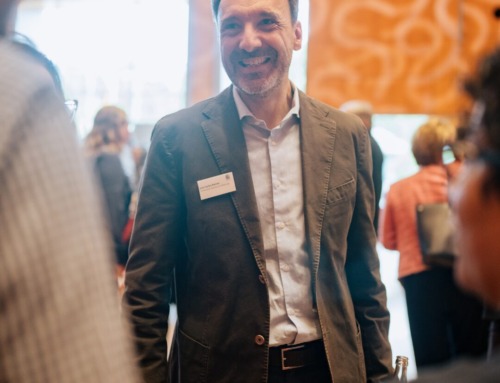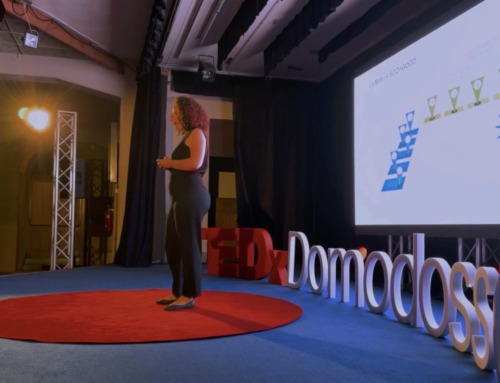

The IV ECOnGOOD International Conference took place in Amberg, Germany from 10 to 12th of June, 2026. The event aimed to connect academic researchers and practitioners towards a more just future. Over 150 participants joined for keynotes and parallel sessions, workshops, and cultural activities. ECOnGOOD was honoured to have Ostbayerische Technische Hochschule (OTH) Amberg-Weiden, University of West Bohemia Pilsen, and the Bavarian Center for Sustainability in Higher Education (BayZen) as part of the consortium that made the conference possible.
The Economy for the Common Good was a central pillar to the discussions happening in the main auditorium, but also in side rooms. Keynote speakers addressed topics from property, trust, common good future, organic farming, wealth concentration and social boundaries and a new social contract that could assist society implementing the changes needed for a new future. Parallel sessions and workshops presented the implementation of an Economy for the Common in different contexts and territories, transforming educational systems, municipalities, public policies and also the private sector.
Throughout three days the four core values of ECG — human dignity, environmental sustainability, solidarity and social justice, and transparency and co-determination — were reinforced as guides to what an economic systems should focus on instead of growth and competition. Researcher Anoek Tilburg shared that it is important in current times to be reminded that there are people promoting and working for similar values. “It is nice to engage with more people who are interested in changing the economy to what is actually good for people and nature since economy influences a lot of the decisions being made and we can’t continue with current paradigm”, says Tilburg.
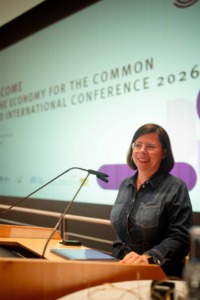
A member from ECOnGOOD Japan National Association, Kazuko Hikawa, was also present during the conference and she felt that the topics presented reminded the urgency of community-led decision-making, such as citizens assemblies, to create new examples that lead to an effective transformation of economic measures of success. “Individualism and competitiveness are core issues why we can’t change the predominant system, but I hope we can create a world not based in competition, but rather cooperation” shares Hikawa. The ECG theory can be a path to redesign how we operate according to Sophie Friedly part of the German ECOnGOOD. “The combination of democracy, social justice, and ecological sustainability in model makes sense to me”, explains Friedl.
Besides economy, climate was the connection bridge between sessions not only as a concern, but as a solution to move past the gross domestic product metrics as the sole guide to countries’ economic logic. During Antoinette’s Weibel keynote session, she remarked that we as a society need to rebuild the social fabric before we can rebuild the ecological fabric and so did other keynote speakers such as Dirk Philipsen, Alma Spribille, and Lewis Akenji that set transparency as key goal in order to achieve more equity.
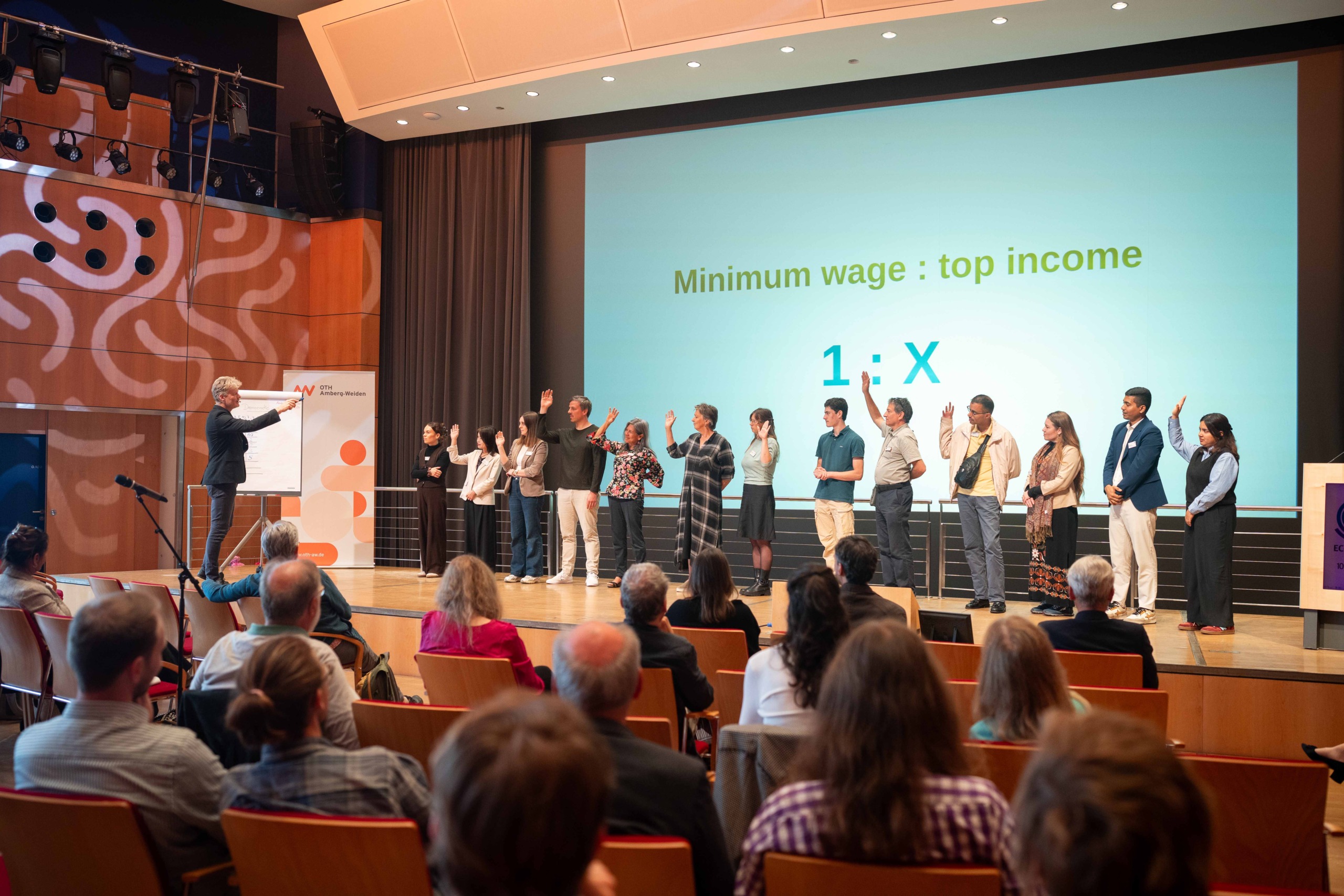
The founder of the ECOnGOOD movement, Christian Felber, held the last keynote session at the end of day 3 and he made it clear that there are already solutions available, as he call it TAPAS (“there are plenty of alternatives”). Felber invited participants to simulate a referendum where citizens could decide the maximum difference between minimum wage and highest income in order to prevent wealth concentration as one of the main factors to inequality.
ECOnGOOD established new partnerships, learned from diverse perspectives, and proved that the Economy for the Common Good has an important role to play in creating an economy that truly serves people and the planet. José Carlos Ramos, science and research coordinator of ECOnGOOD believes that the need to bring to light the negative externalities of certain business practices was one of the key ideas that stood out from the event. “As citizens, we should be able to choose whether to pay the real price of sustainable products in store, or finance the repair of these externalities’ impacts through our taxes”, proposes Ramos inspired by the sessions from Thomas Lang and Sigrid Stagl.
The next conference will be held in 2028 and ECOnGOOD will launch an open call for interested hosts.
Stay connected to our movement by subscribing to our international newsletter.